PURPLESHEEP.GR
DESIGNED BY






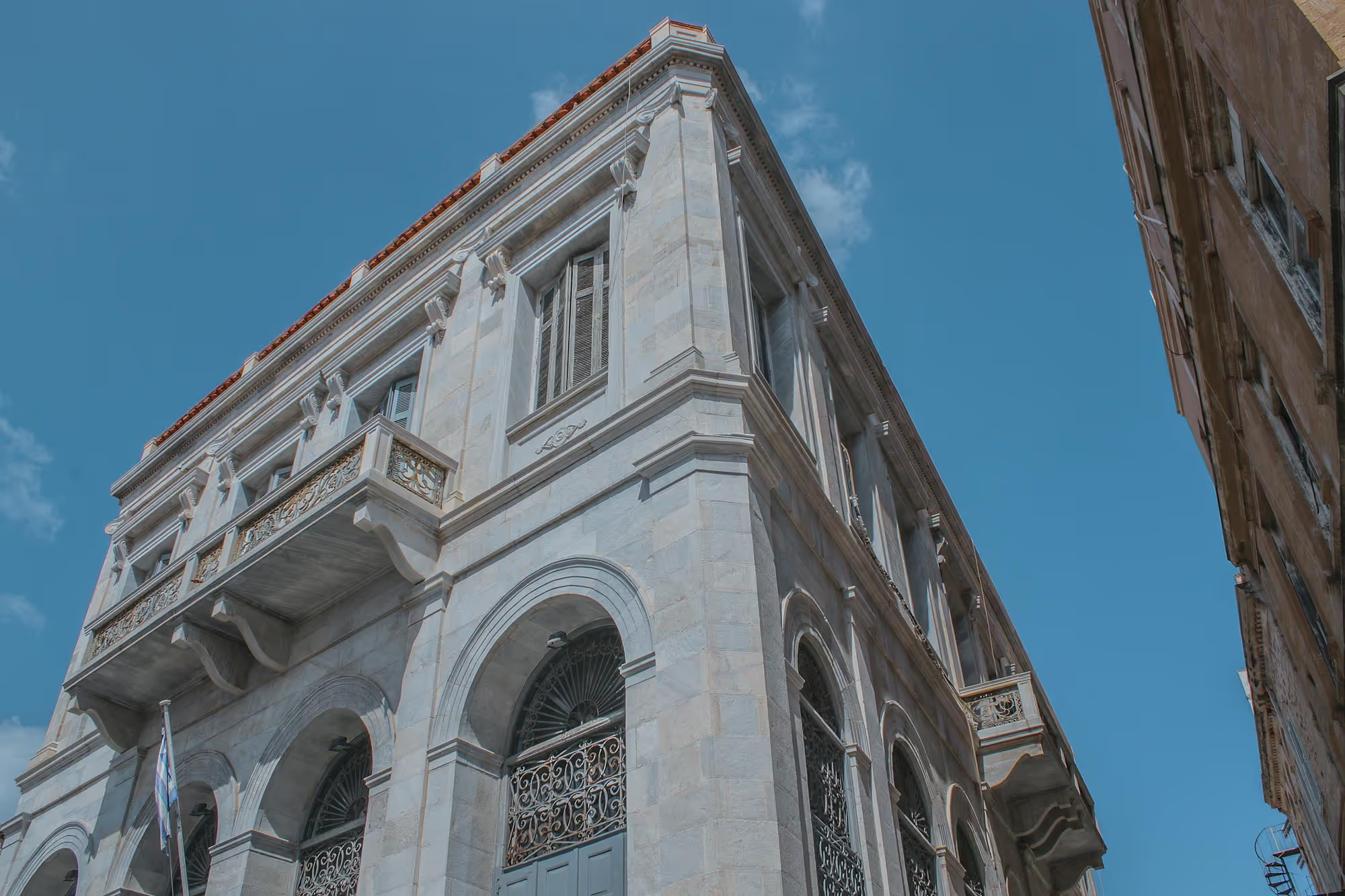
As the ship approaches Syros, two hills come into view through the rugged landscape of rocky cliffs; Hermoupolis with vast neoclassicals tumbling down to azure waters and Ano Syros with small medieval houses stand proudly over the Aegean pleasantly surprise those who expect the blue-and-white-cube Cycladic archetype. Syros is an island where history is lost in the mists of time with the oldest traces dating from the 3rd millennium BC, the prehistoric period of the Early Bronze Age. Over the millennia, the island thrived, declined, survived, recovered and thrived again.
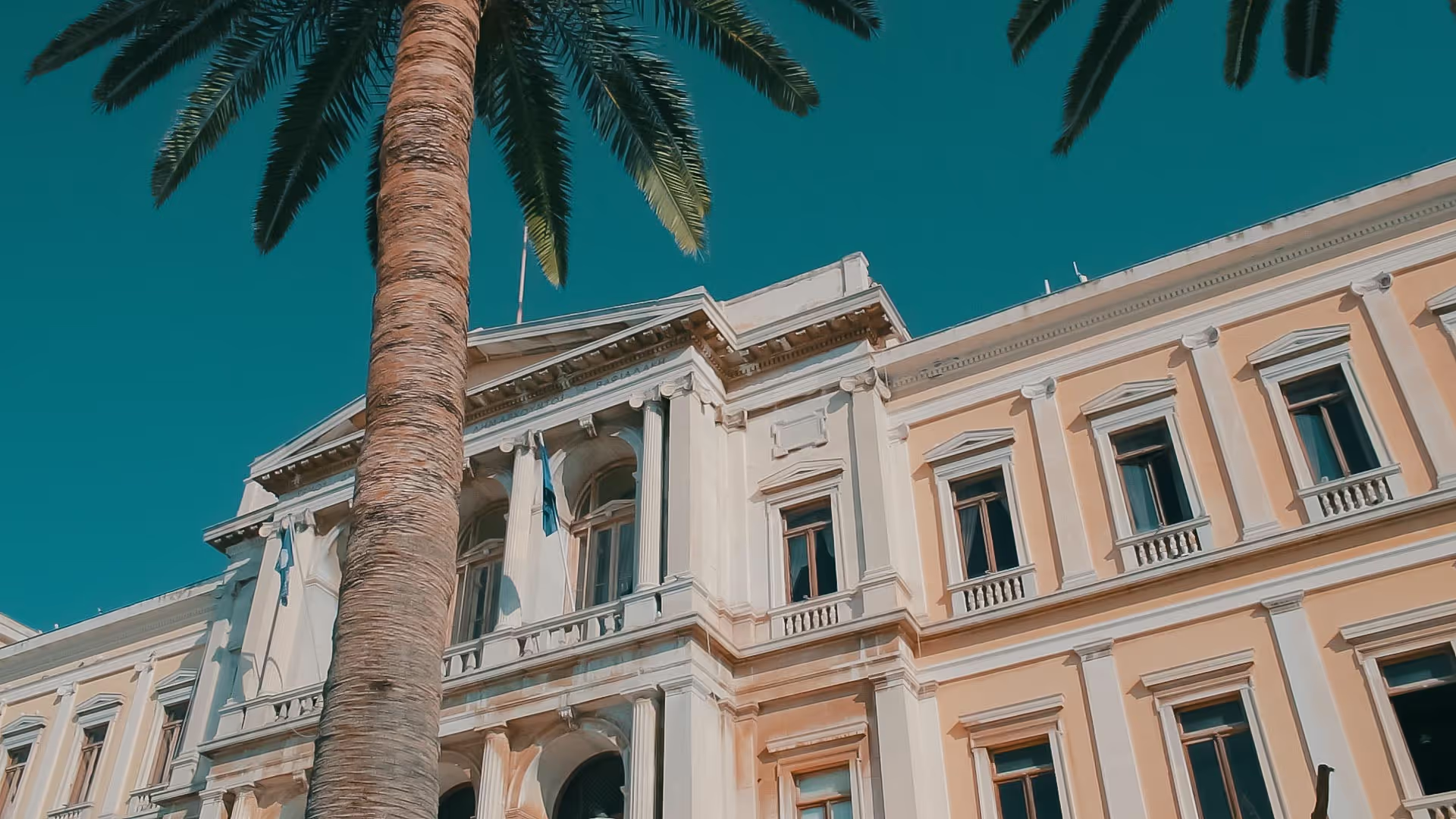
The Greek revolutionary war against the Ottoman rule marked another major turning point. In 1822, Syros was chosen as a safe shelter by hundreds of refugees who fled their islands and Asia Minor. Merchants, shipowners and entrepreneurs created Hermoupolis, naming it after the Greek ancient god Hermes. They rapidly developed their town into an important international commercial, industrial and cultural hub linking West and East. Renowned architects were hired to create a town in glorification of neoclassical beauty. A walk around marble-paved streets and squares with princely mansions dating back to the 19th and early 20th century with amazing sea views will sweep you off your feet! Old World grandeur reigns everywhere reflecting the wealth and the influences of Neoclassicism and Romanticism. Hermoupolis is bursting with landmarks. Undoubtedly, the star of all stars is the iconic Town Hall of Hermoupolis. The 19th-century architectural masterpiece of palatial propositions is a cultural icon that celebrates the rich heritage of the island and dominates the Miaouli Square; the heart of Syros with imposing buildings, a marble music stage with reliefs of the ancient Greek god of music Apollo and the Muses, tall palm trees and charming cafes.
Walking under ornately corbelled balconies, passing by monumental facades with marble pediments and murals with mythical scenes painted on ceilings, it’s easy to forget that this is a small Greek island. Until you look at the bright sun glistening on the deep blue sea.
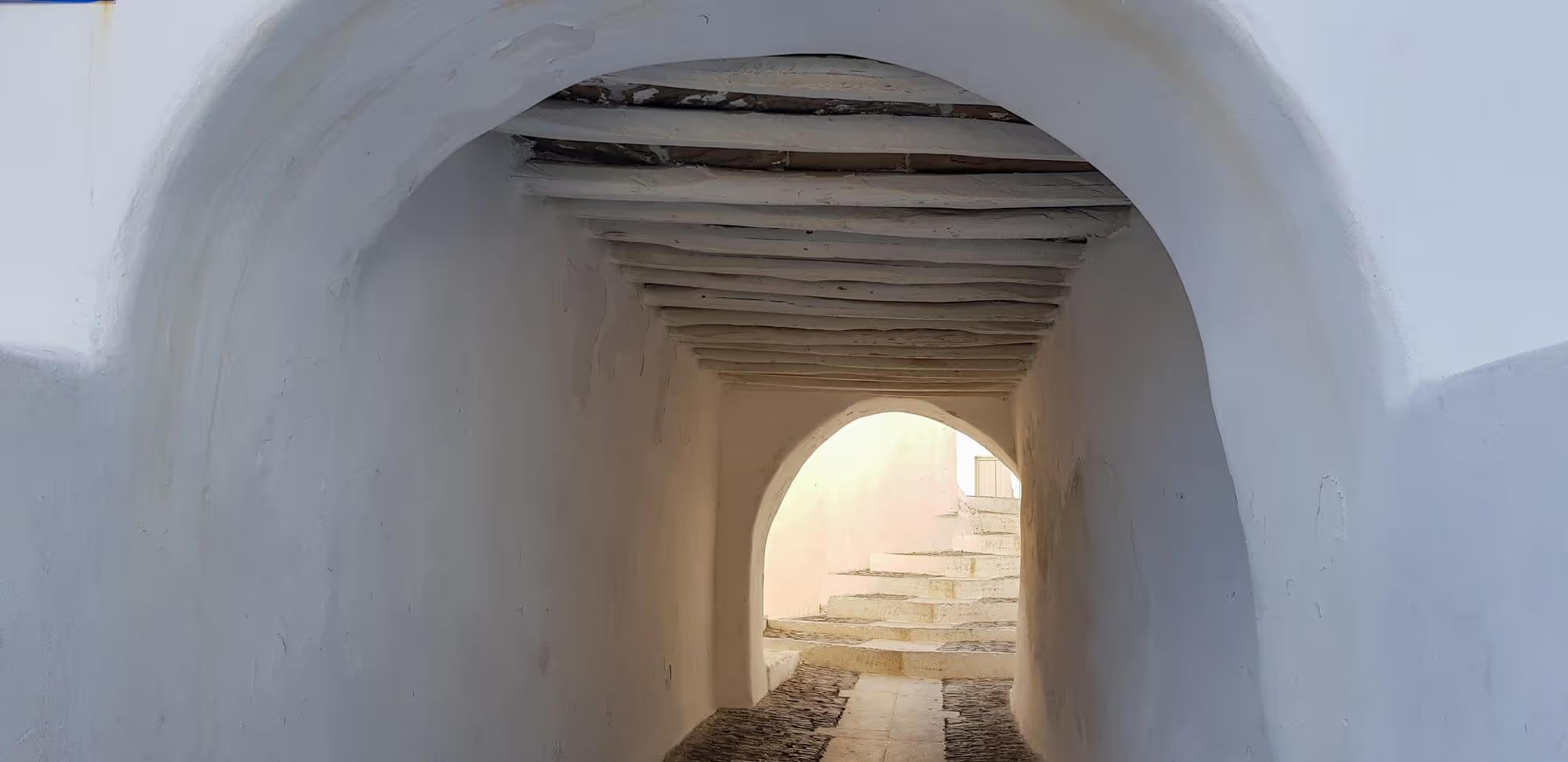
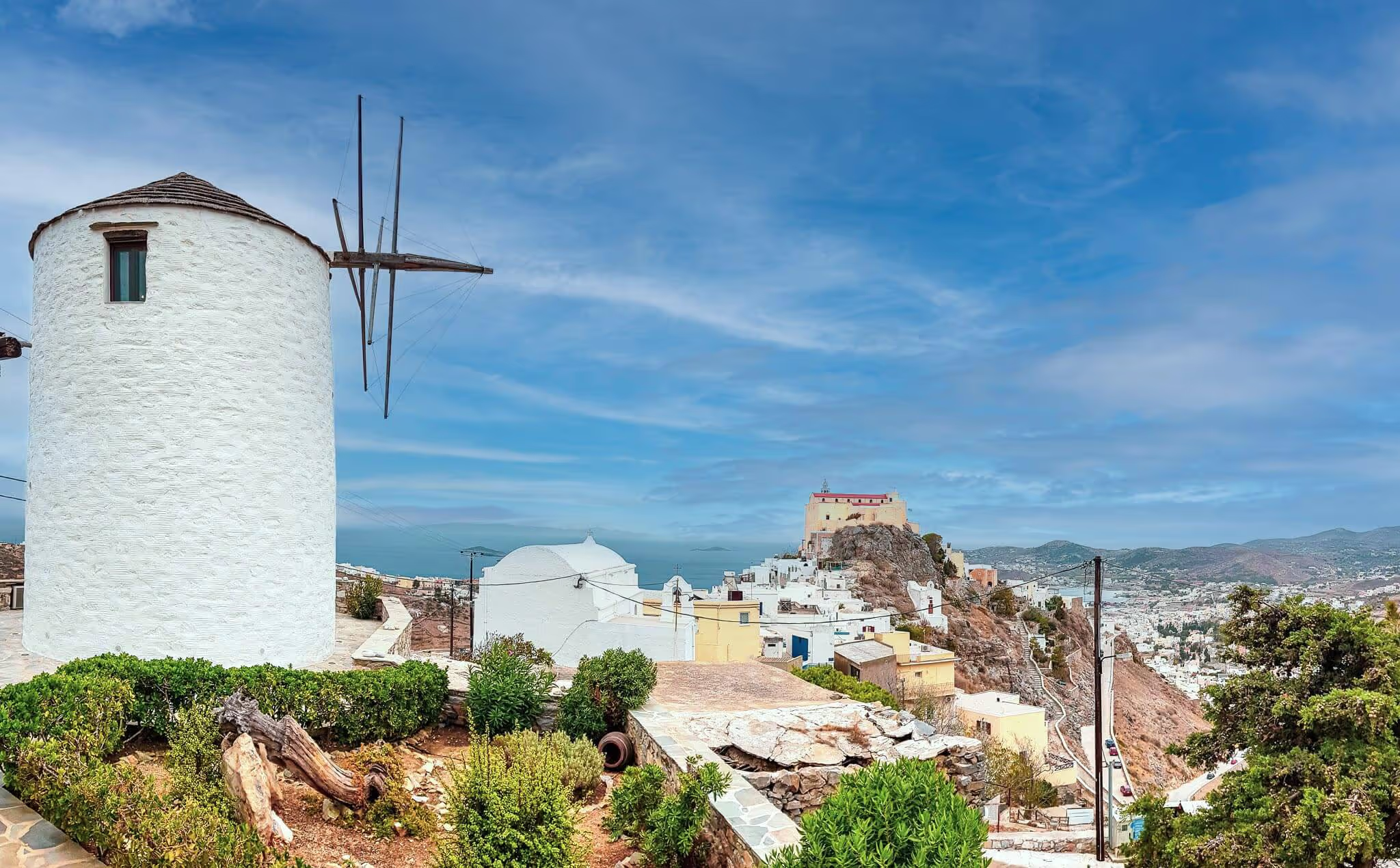
On the opposite hill, the postcard-perfect Cycladic charm of Ano Syros, the citadel of the later Byzantine era, beckons your attention. Enter through the archway, you may have to duck if you are six feet tall, to one of the island’s most atmospheric places; Ano Syros is a small fortress town built on a conic hill with humble quaint houses featuring vibrant-painted shutters and tiny terraces draped in canopies of bright bougainvillea. Follow the coiling cobbled alleys and winding staircases up to the top where the Church of Saint George and the Capuchin monastery overlook the port, the neighboring islands and, of course, the endless blue of the Aegean. Discoveries of local artisan creations, tiny cafés, shops and tavernas that line this delightful labyrinth reward the wanderers who spend time exploring. Must-see attractions are the Historical Archive of Ano Syros, the Exhibition of Traditional Professions, the spring of the Orthodox Church of Saint Athanasios, the Catholic Cathedral of San George, the house dedicated to Markos Vamvakaris who was one of the most influential Greek rebetiko musicians.
Venture inland to discover atmospheric villages like Episkopio on the slope of a pine-covered hill with imposing mansions and lush gardens of the 19-century wealthy bourgeoisie of Hermoupolis. Or Chroussa with sumptuous villas dating back to the early 20th century surrounded by groomed gardens and picturesque chapels and churches.
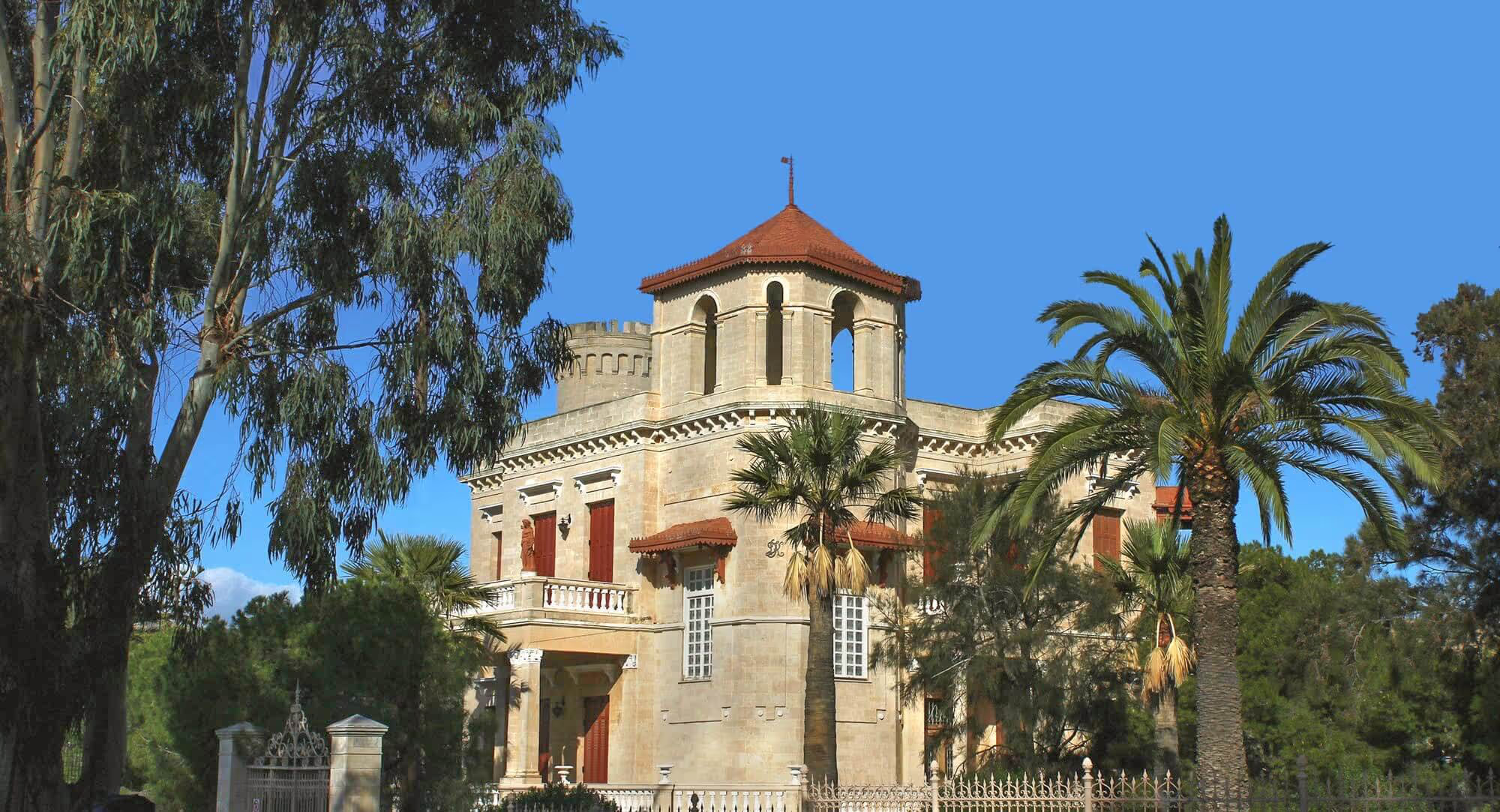
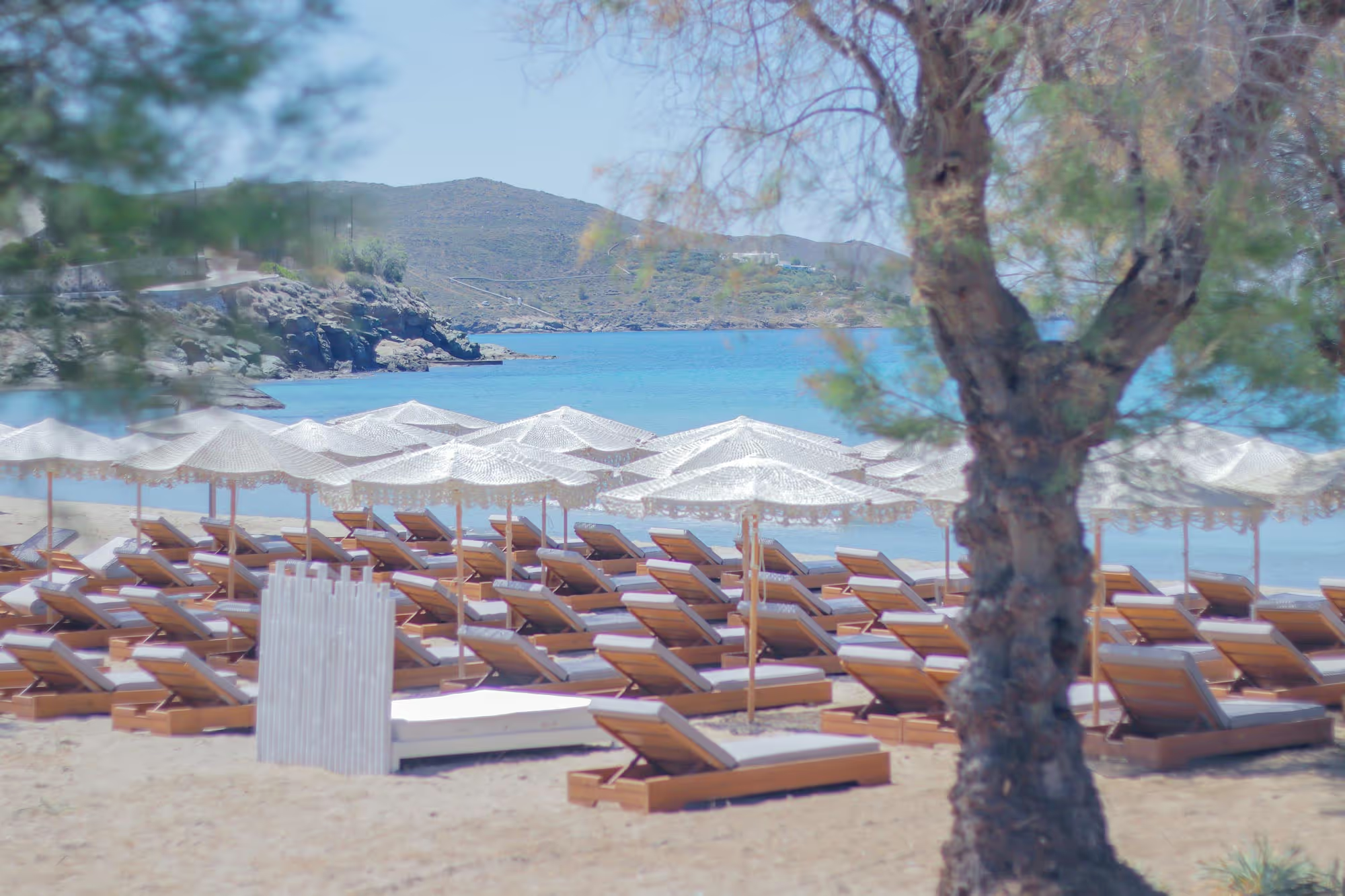
Tour around the southern part of Syros with seaside resorts to experience the tempo of the Cycladic lifestyle and enjoy organized beaches lined up with seaside hotels, restaurants and beach bars. Poseidonia with grand manors of the past embellished with towers and the prestigious Agathopes beach is where everyone heads for glamorous daybeds and parasols, modern cafes, restaurants and tavernas. Galissas is one of the beaches that live up to the poster-famous Cycladic beach scenery. Komito, Ambela, Achladi, Delfini, Lotos and Kokkina will introduce you to all things related to “living on island time”. Megas Gialos, Vari and Azolimnos offer shallow waters, umbrellas and sunbeds for hire, beachfront cafes and taverns. Dotted by houses in white and hues of blue interjected by the masts of the resting sailing boats at its marina, the cove of Finikas with its long beach and water sports facilities is perfect for swimming, enjoying meals in family-run tavernas and sipping drinks at unpretentious cafés. Kini the quaint small village with its popular long beach with shallow waters, cafés, restaurants and tavernas and the beautiful sunset is also where you can climb aboard a small boat for a whistle stop tour of the northern unspoiled beaches of Aetos, Lia, Marmari, Gria Spilia and Grammata, where you can take a break from the crowds.
Drive north to one of the most ancient civilizations, the prehistoric sites of Chalandriani and Kastri, both considered as the most important fortifying construction of the 3rd millennium BC in the Aegean. The extent of the settlements, the variety in the plan views of the excavated houses, the findings of pottery, stone carving, miniature art and metalwork indicate a flourishing society dating back to the late Neolithic era, between 4000 and 3000 BC.
Cuisine is culture
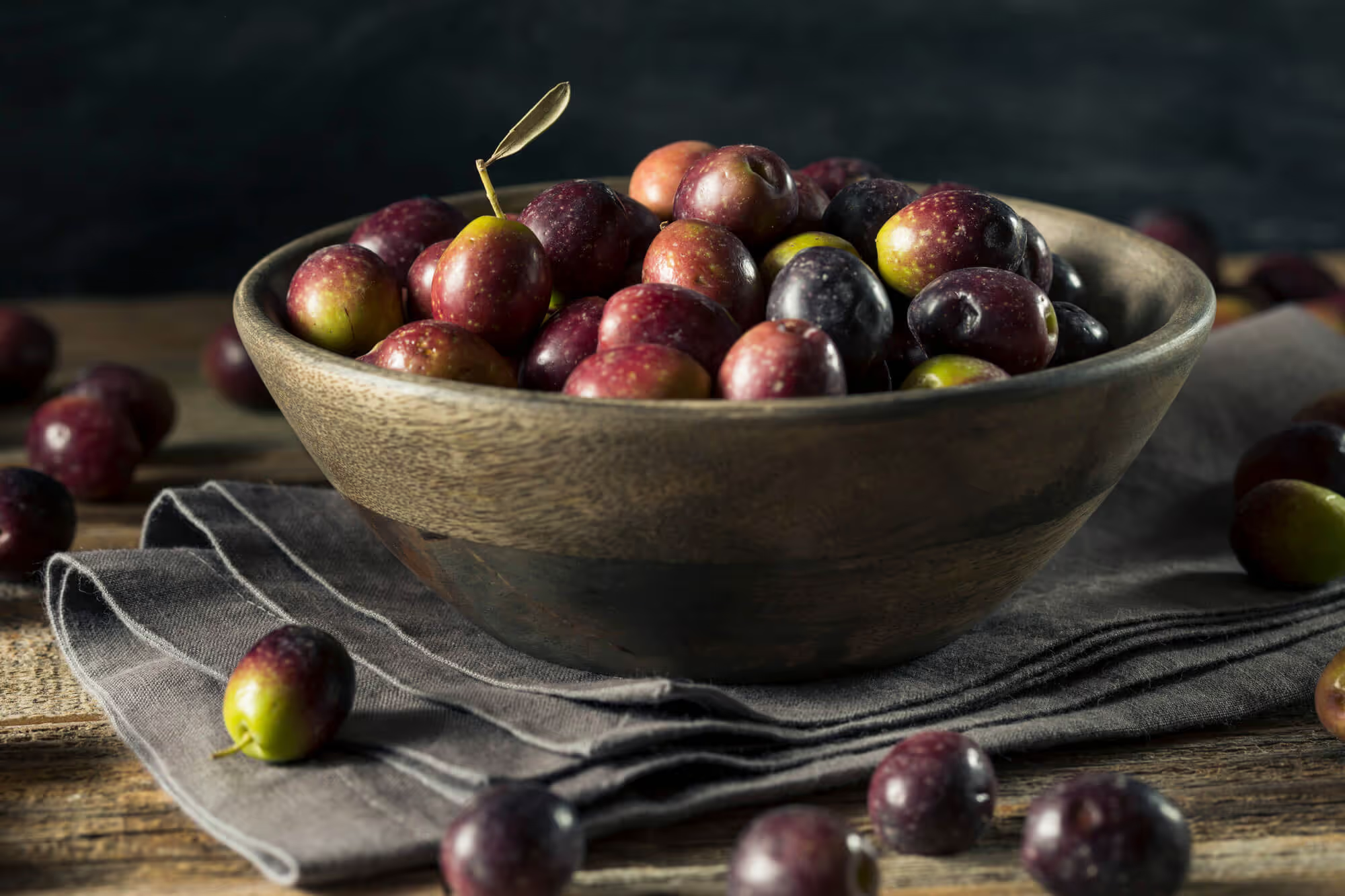
Syros is a culinary destination with its own unique brand of cooking. Here delectable gastronomic flavours are brought about by local ingredients. Starting with the trademarks, several local products stand out such as the world widely celebrated P.D.O. cheese San Michali, Marathies (local sausage made from pork meat and fennel), Louza (special dry cured ham), thyme honey (which is regarded to be amongst the most exquisite in Greece), caper buds, sun-dried fish, rock samphire (the succulent wild green that loves perching on rocks and cliffs by the sea).
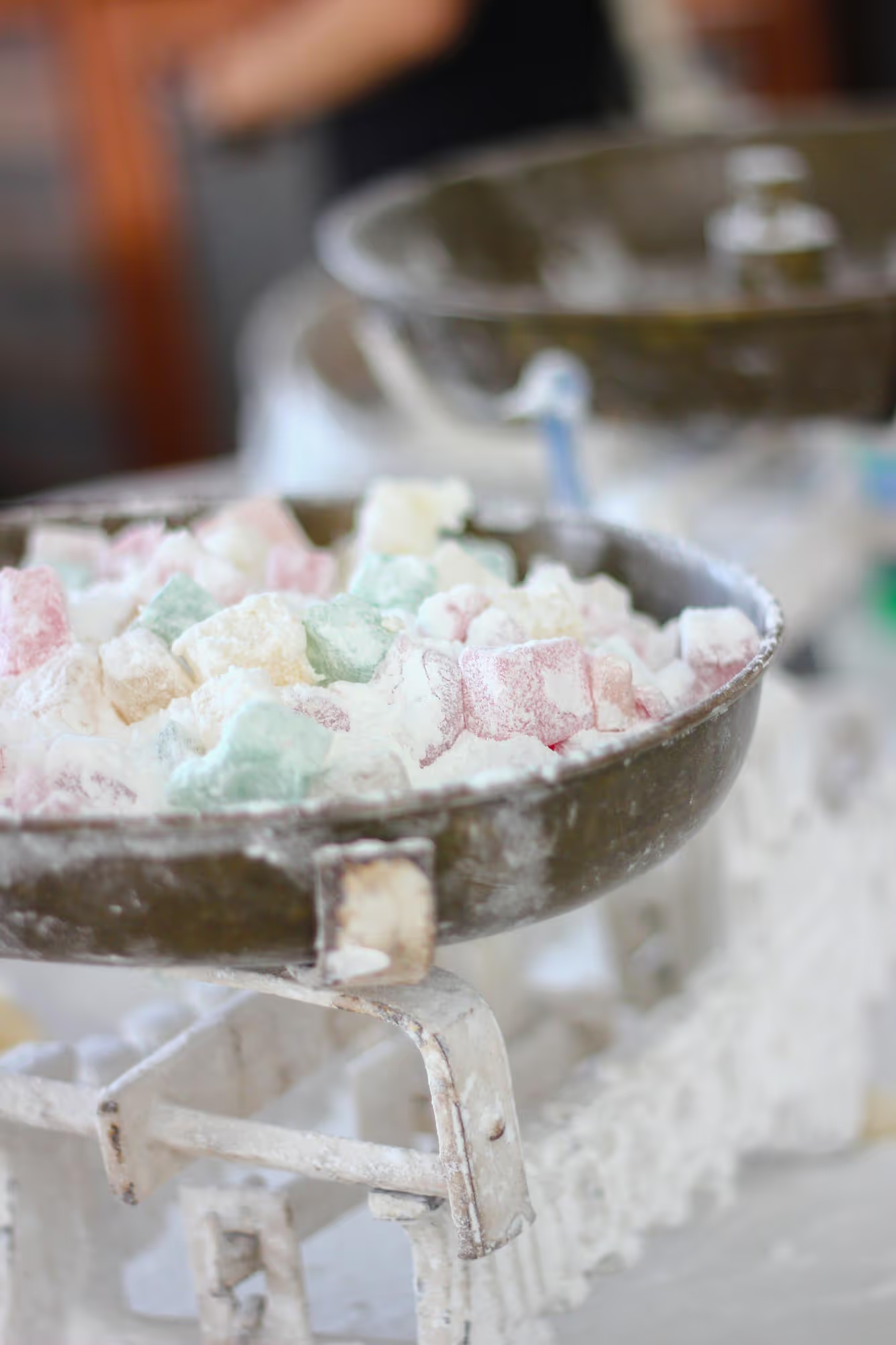
But the star of them all is Loukoumi; Syros is famous for these small cubes made of sugar, water, starch, aromas, nuts and covered with powdered sugar which were introduced by emigrants from the island of Chios and Asia Minor. Also delectable desserts are Chalvadopites (thick white nougat sandwiched between two thin wafers), Pastelaries (dried figs with almonds and sesame seeds) and Mastichaki (syrupy sponge-like cake with fluffy stuffing and crispy crust).